Navigating Grief: An Open Conversation on Losing and Living
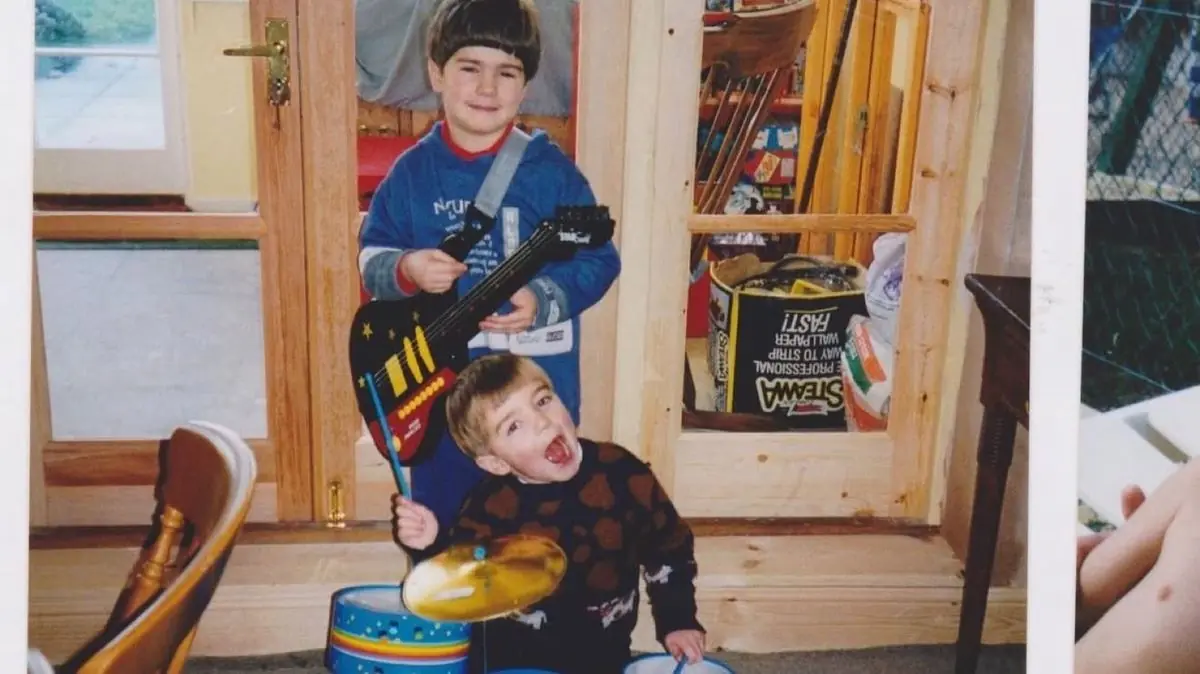
Losing a loved one is never something you can prepare yourself for, especially when it's someone who has so much life left to live.
Last year, in 2025, I suddenly lost my brother, and my life came to a standstill. It forced me to stop and sit with the pain of loss. A pain so complex and deep I couldn't even begin to describe it. For those who have lost loved ones, as so many of us have, the journey of grief can feel never-ending. It has a way of tripping you up just when you feel you've come so far.
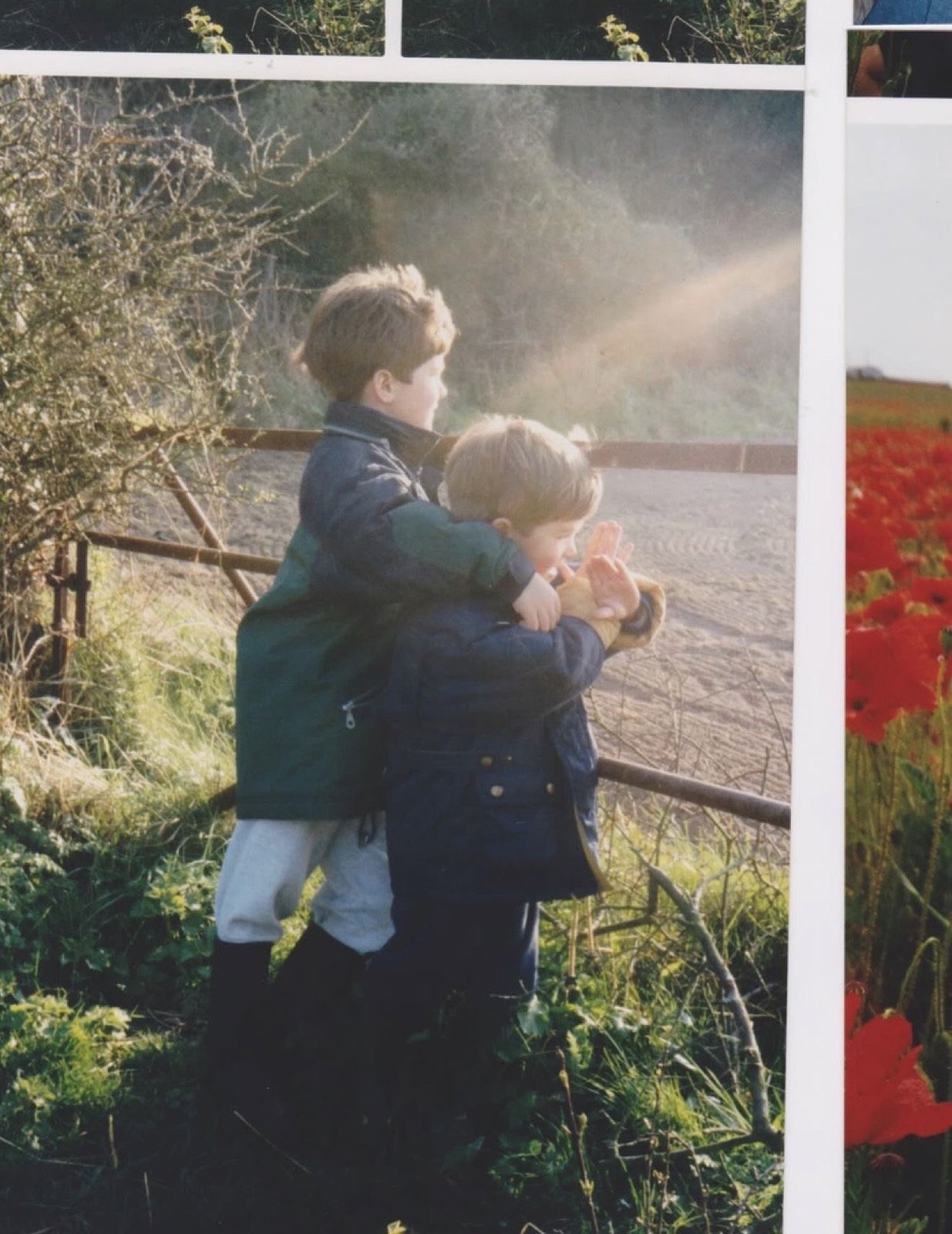
I am deeply honored to have known my brother and to share all the memories we created together; it is just so unfortunate that it had to happen so soon.
Sadly, just months after my brother's passing, my dear friend Hana Walker-Brown suddenly lost her (step) sister, Zoë, and her life, too, came to a standstill. As someone who is equally, if not more, ambitious, Hana had to put a pause on her life as an Author, Creative Storyteller, and Compassion Coach.
In today's post, I sat down to talk with Hana, discussing our shared experience of grief and how we are navigating our path forward.
James: First of all, I just want to say a huge thank you for your support this past year and for being here today. I know sharing this conversation is going to help people. When we were taking those early stages of our journey, we really had no idea of the path ahead. Let alone how to actually navigate it.
Hana: I feel exactly the same. I wish we didn't share this, and yet I'm so grateful that we do. What helped so much was that neither of us tried to fix it or tidy it up; we could say the unfiltered, messy, angry things without being rushed or judged. At the start, I genuinely thought I needed to "navigate" it properly, like there was a correct way to grieve. And what I've learned is that there isn't. There's just honesty, accepting your capacity and doing the next kind thing for yourself and the people around you. If talking about it helps even one person feel less alone in that disorientating beginning, then I'm ready to yap!
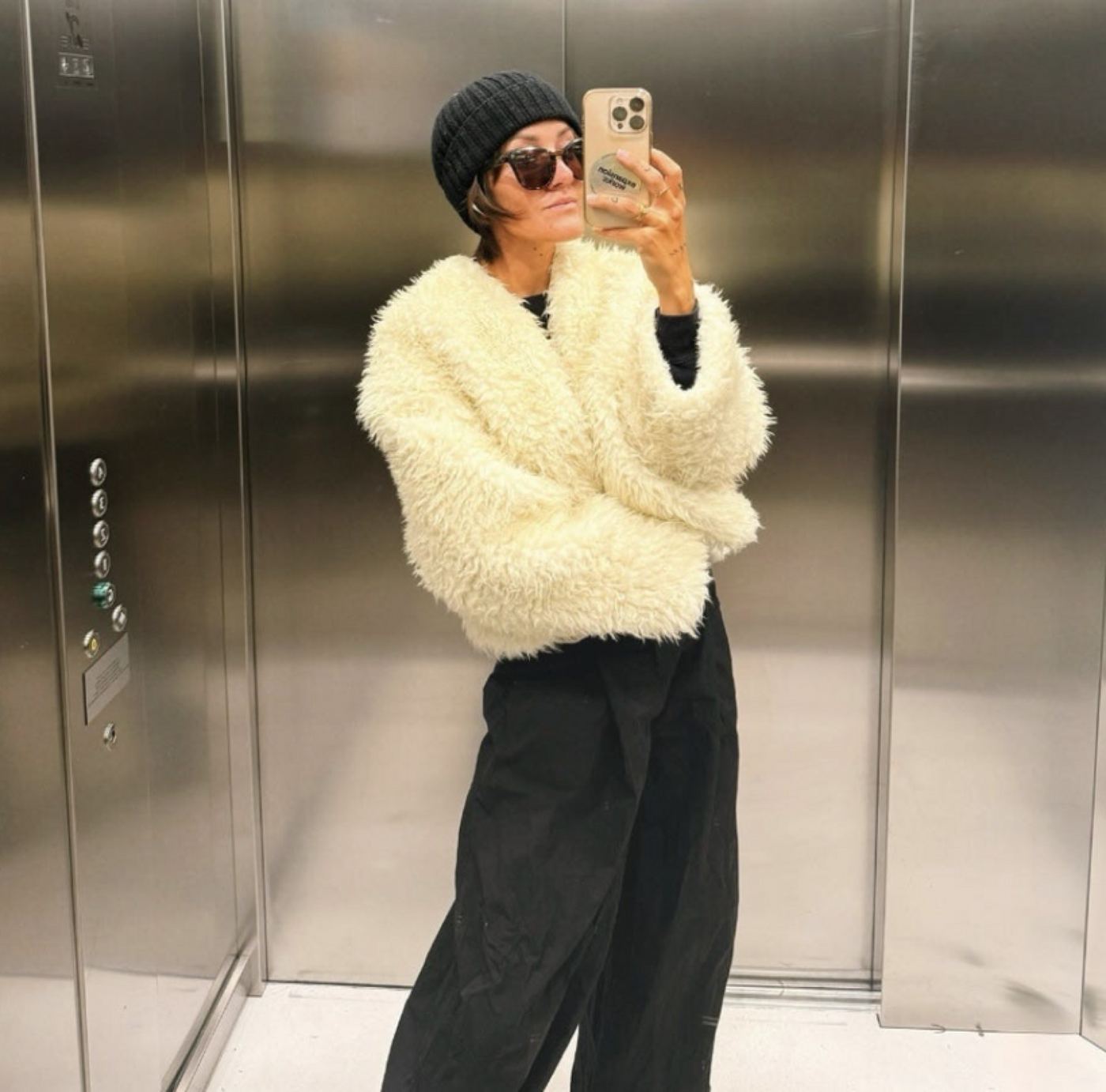
James: Before we get started, would you mind introducing yourself and telling people a little a bit about who you are?
Hana: I guess the topline is that I'm a multi-award winning author, creative producer and compassion coach, and someone deeply interested in what it means to be human. I tell stories for a living, through words, audio, through workshops, through the work I do with people, and I'm endlessly curious about what makes us who we are. I was actually training in trauma-informed coaching when Zoë died, so everything I'd been studying about nervous systems, survival and compassion suddenly became very real and very personal.
But beneath all of that, I'm a sister, an auntie, a daughter. A friend. Someone who feels things very deeply, cares very deeply and is trying — like most of us — to move through this world with curiosity rather than fear. A lot of what drives me now is creating spaces where people can be honest about their own inner lives, especially the messy, tender parts. If I've unlocked anything through my own experiences, I want to leave the door open behind me.
James: Looking back at those early days of grief after losing your sister, how did that initial impact ripple through your personal life and your career, especially as someone used to being so creatively driven?
Hana: It was completely seismic. On the surface I was still "Hana" — still capable, still delivering, still the one who makes things happen — but internally I felt like the scaffolding had been kicked away. My capacity shrank overnight. I've always been someone who thrives on ideas, on momentum, on building worlds and holding space for other people's stories. And suddenly... I just didn't care about output. It all felt faintly absurd in the face of what had happened, especially after having to write Zoë's eulogy. The urgency drained out of me. I wasn't blocked in a dramatic way, I was just uninterested. And that scared me more than anything.
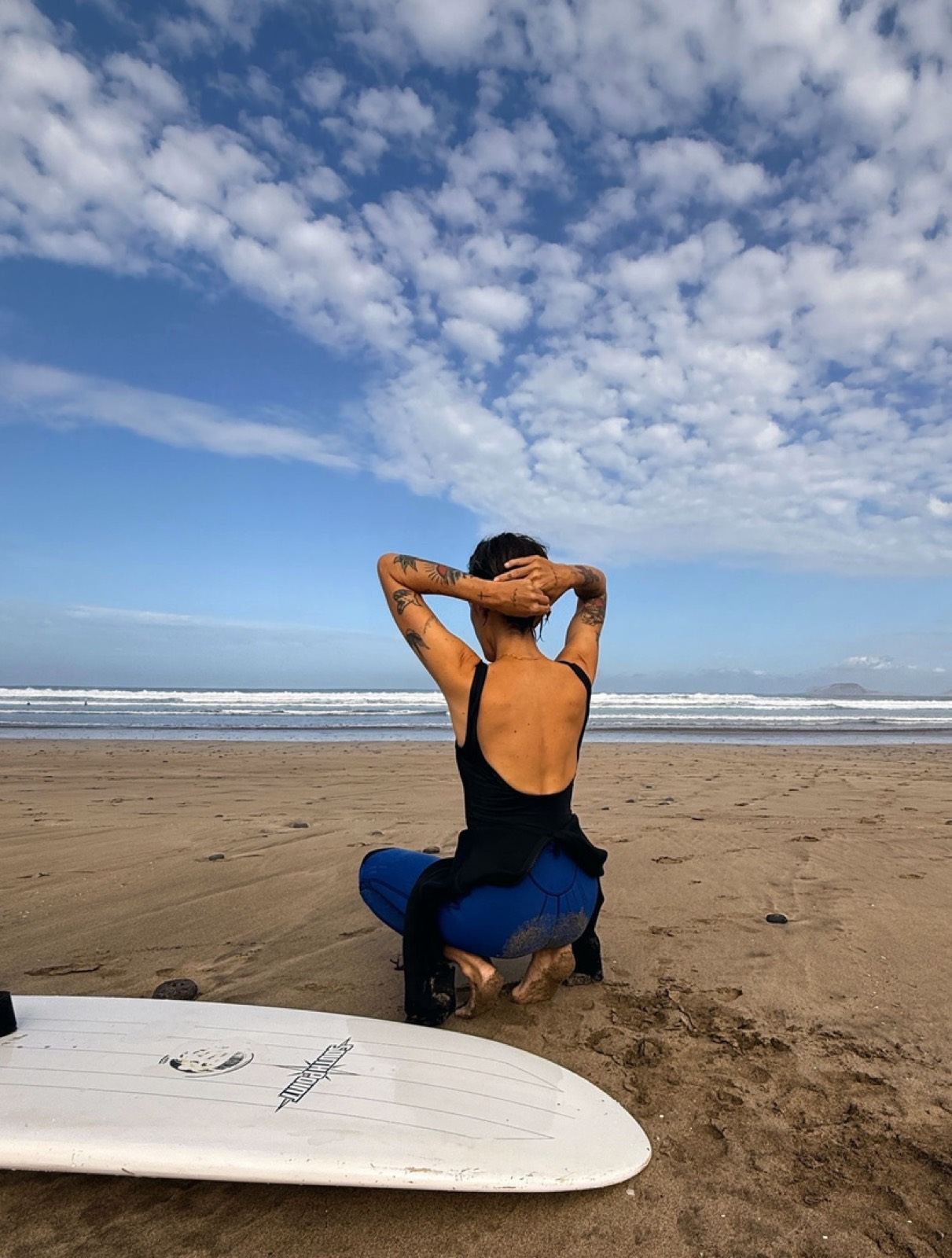
I was fortunate to be accepted onto an artist's residency at Hektor in Lanzarote not long after, and it honestly shifted something primal in me. The island is feral. Volcanic earth, brutal wind, salt in your hair constantly. It strips you right back. There's no gloss there. It invited a return to something elemental. I surfed most days, I hiked, I hung out with a donkey and chickens, I wrote without an agenda, without thinking about where it would live or who would read it. I let the work be slower, rougher, less curated.
And I think that's what I needed, to feel small in a landscape that vast. To remember that grief is bodily. It's instinctive. It lives in your cells. And that I am not just a thinking, producing machine — I'm a breathing, feeling creature in a body, part of something much bigger than my own heartbreak.
In my personal life, I just kept hearing myself say "I'm so lucky" which sounds mad in the circumstances, but my mates are second to none and I would not have gotten through it without them. Any surface-level friendships definitely fell away but I felt so loved by my community who knew that what mattered most was my family and being with my nephews. Our friendships are iron strong for it!
James: I relate to that so much. We have talked a lot in our own time about 'capacity' which is something people don't warn you about. I couldn't be 'Productive James' while 'Grieving James' was drowning. Looking back now, what are the things you wish we both knew to help you in those early stages of grief?
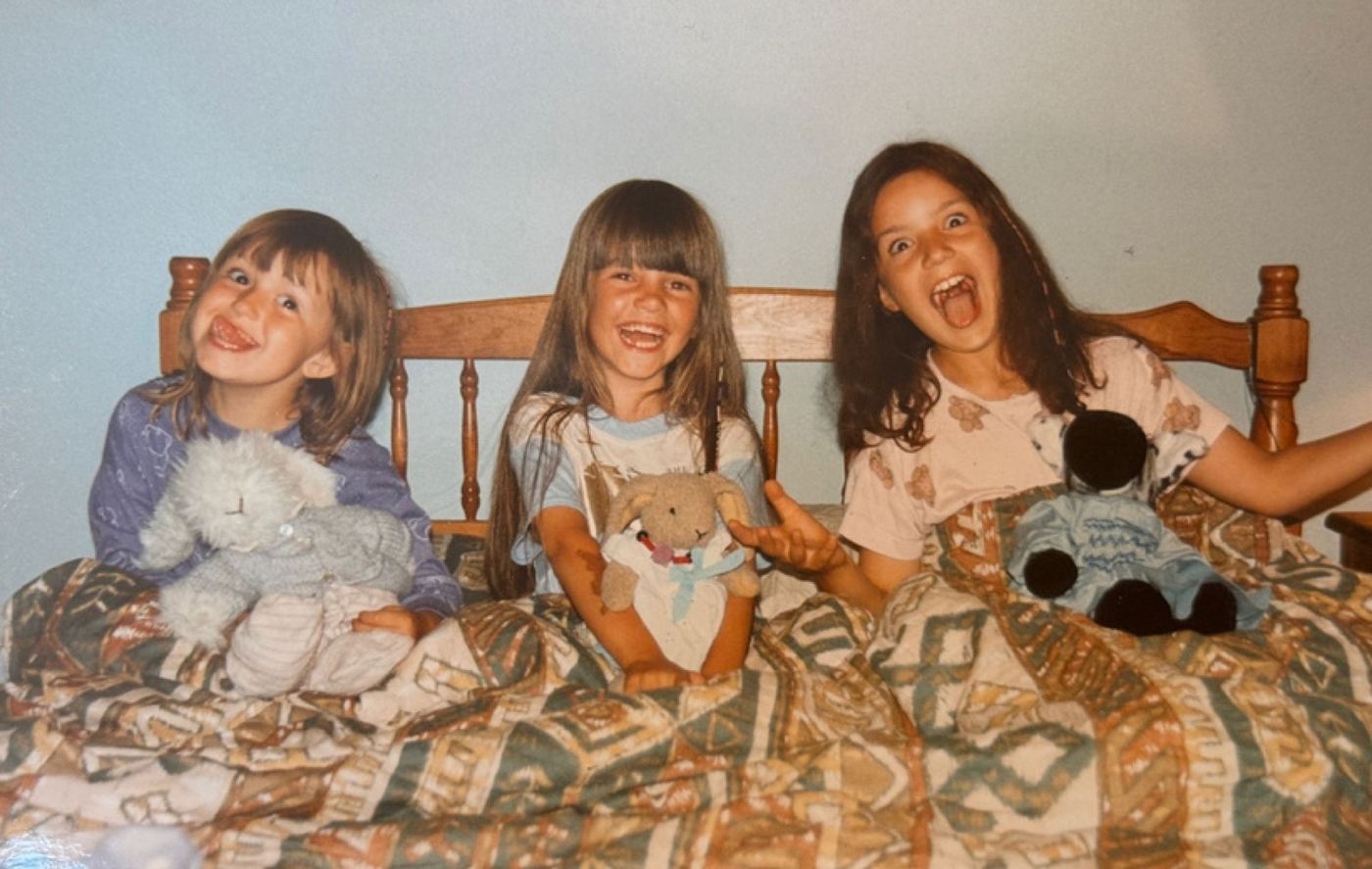
Hana: That nothing will ever be the same again. And I don't mean that in a poetic, reflective way. I mean it in the most violent, cellular way possible! That reality comes quickly, almost instantly and it totally takes your breath away.
I can remember so vividly my Dad calling me to tell me and it was like being on one of those rides where they drop you from a real height, the whole world as I knew it just lurched away violently. It's a massive, scary statement and reality but the sooner I accepted that I was better equipped to process it. I remember getting into a taxi after I'd spoken to my Dad and watching everyone going about their Friday, having iced coffee at cute little outside spots in east London, walking their dogs and chatting to friends and I just couldn't fathom it. I remember looking at them and thinking, why is no one screaming? How has no one told them the world has ended? That dissonance is something I wish I'd been prepared for. The brutality of your new reality against everyone else's normality.
I sort of split in two. There was the part of me that was gutted — truly gutted — like something had been scooped out of my chest. I couldn't get a full breath. My body felt bruised from the inside. And then there was the part that had to function. Answer emails, work, book trains, entertain my nephews, eat, smile at people in shops.
As someone who lives through language and creativity, that fracture terrified me. Words were suddenly slippery. My mind was foggy and electric at the same time. My nervous system was in full survival mode — pure adrenaline. I ran constantly and really quickly and I annihilated myself in the gym. It wasn't sustainable. And a few years ago I burned out badly enough to recognise the signs. I knew that edge. I knew what it felt like to try and outrun myself and I couldn't do that again.
The moment I stopped trying to get back to the version of me that existed before that phone call — stopped trying to force productivity or normality — I could begin, very slowly, to process what had actually happened, not to understand it because it's unfathomable but to accept it.
James: Absolutely. We've talked a lot privately about the 'tools', especially those that actually kept us grounded in the moment but also allow us space to heal. For me, Cold Plunges and Bereavement counseling was a lifeline. But we've also discussed the physical side of it. As a Yoga Teacher, what are your thoughts on the importance of movement and therapy during the grieving process?
Hana: For me movement is non-negotiable and has become such an important part of this process. If I don't move my body, everything backs up emotionally. I really relish doing Park Run with my brother in law and nephews when I'm visiting them. But I get the most from cold water swimming and surfing. Cold water swimming was the first thing that really cut through the fog. Grief lives in rumination — in the past, in the "what ifs" but when you step into freezing water your body has no choice but to be present. Everything extraneous falls away. And surfing... surfing has changed my life.
There's something about returning to the elemental when your world has shattered. Salt water, wind, tide, gravity. The sea doesn't care about your heartbreak, but it holds it anyway. You can't control a wave, you have to read it, respect it, move with it. And that feels like grief. If you fight it, it batters you. If you learn its rhythm, you can ride it, not perfectly, definitely not gracefully every time, but you can move with it.
Out there, sitting on a board between sets, I feel small in a way that's comforting. The horizon is huge. The world is bigger than my pain. And yet my pain is allowed to exist inside it. And the community has been huge. Grief can feel so isolating, but there's something beautiful about standing on a cold beach at dawn with other slightly mad people pulling on wetsuits!
Therapy has been essential too. I don't think movement replaces proper trauma-informed therapy. For me it's been both — move it through physically, process it emotionally.
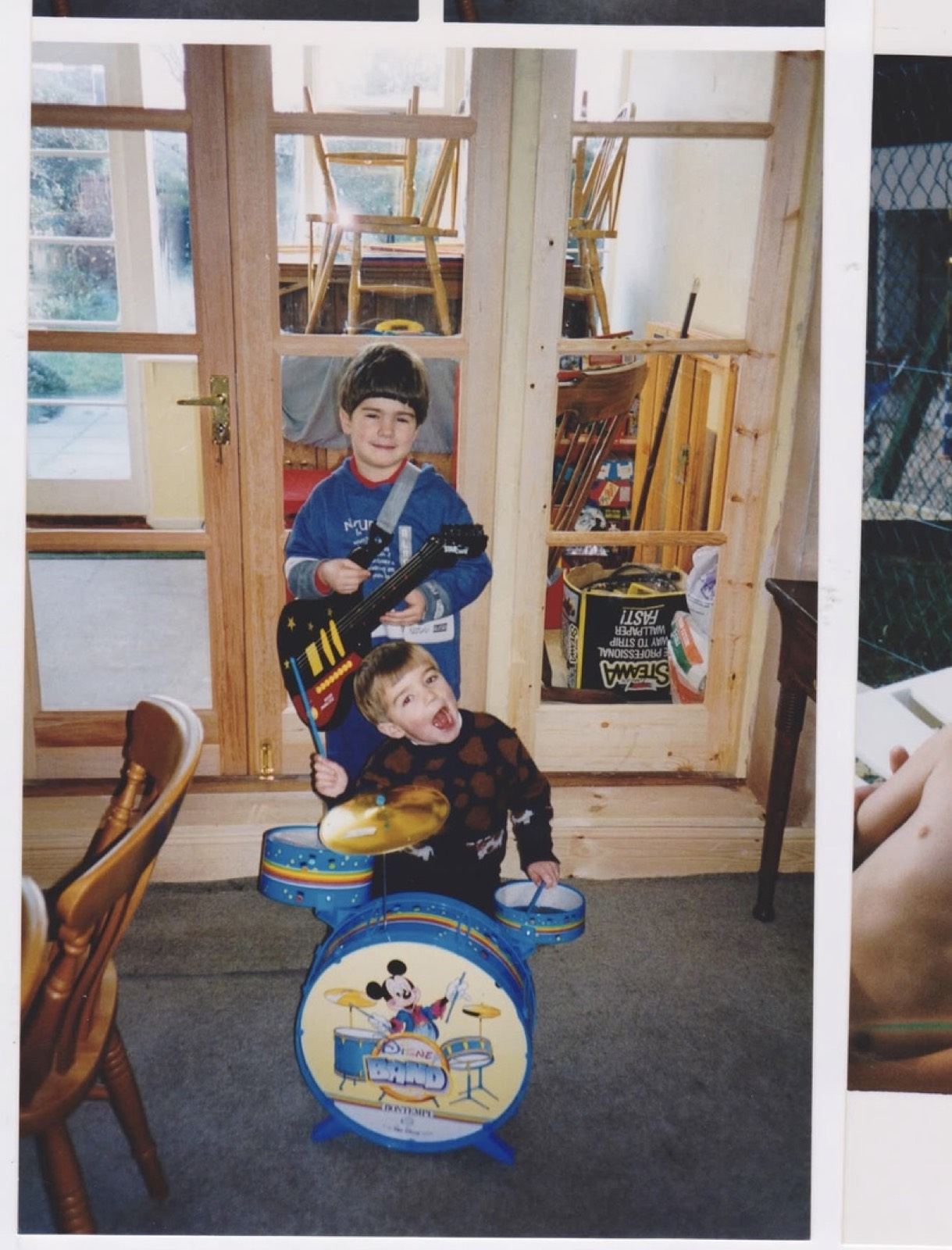
James: I think a big part of this journey is finding ways to keep their essence alive in what we do now. What would you like people to know about your sister and how she influenced who you are today? For me, my brother always did the right thing and cared so deeply about people. His moral compass was incredibly strong, and it's something I find myself constantly reflecting upon now. How does your sister's influence show up in your life now?
Hana: Your brother would be incredibly proud of you and how you are helping others! It's strange because I don't think I fully appreciated how much she shaped me until she died. Grief has this brutal way of illuminating what was always there. She is in all of us siblings, her music taste, films, her feminism!
She had this way of being bold and uncompromising and deeply compassionate all at once. And when I look at myself honestly, at the best version of me I see so much of her influence. We were really close growing up but had drifted so much in the years before she died outside of seeing each other at christmas.
But in 2025 we reconnected properly. I have always had a beautiful relationship with her boys and the night before she died we had both expressed how happy and grateful we were to be back in each other's lives. I felt that we had helped each other heal some really deep, traumatising inner child shit! I thought I had a big sister for at least 36 more years and then she died and if I dwell on that too for too long I can't breath, it's so utterly unbearable.
But the only thing that matters now is that we all love her boys and show up for them and keep reminding them who she was so that they don't lose out on her influence too. Her death sharpened my moral compass in a way I didn't expect. It stripped away triviality. I have no patience for posturing, for ego, for things that don't actually matter. I care less about being impressive and more about being good and honest and dependable and about being someone my nephews can look up to and feel steady with. So even now in her absence, she continues to shape me in how I choose to live.
James: We both know that grief is not a linear journey and something we will continue on for the rest of our lives. If you could give some words of hope to someone going through those early stages on their journey, what would it be?
Hana: First — it's as bad as you think it is. I don't subscribe to the soft-focus platitudes. "Grief is love with nowhere to go" might be true eventually, but in the beginning it doesn't feel like love. It feels violent. It feels like being gutted. Like your heart has been ripped out and I think to romanticise grief that way is to do the intensity of that feeling a disservice.
The early stages are brutal and disorientating, animal! You're not weak for struggling — you're responding normally to something profoundly abnormal. So, my first piece of hope is permission, permission to say this is utterly shit, permission to scream, permission to cancel plans, permission to not be inspirational about it. Let it be awful and let it be as big as it is.
And then, when you have even a sliver of space, shift the lens slightly. Not away from your pain. Never away from it. But alongside it. Ask yourself: what do I want to carry forward? What mattered about them? How can I honour that in small, practical ways?
For me, that's loving my nephews fiercely, saying her name and talking about her and living with a bit more courage. It really surprised me that even when devastation feels total, joy still shows up. You'll laugh at something and feel confused. You'll notice a sunset and feel almost angry that it's so beautiful because it feels like betrayal but actually, it's life insisting.
Moving forward isn't about getting through. It's about moving with. With grief. With sadness. With guilt. But also with love. With compassion. With beauty, laughter, hope, and the intention to live this experience by honouring the full, complex, emotional kaleidoscope that is being human. And when it all becomes too heavy (which it will, often), put the whole lot down. Reach for professional help. Smash something. Scream. Try again tomorrow. And the day after. And the day after that. I'm curious, what would you say?
James: We have often talked about that with loss, comes a shift in mindset and new sense of identity without fear, how has this manifested itself within your life and how are you using this to create positive change?
Hana: I'm in awe of the work you're doing. The way you've thrown yourself into empowering other people — it's extraordinary. And I do think there's something serendipitous about the fact that we were both training, both deep in self-inquiry, when our worlds fell apart. It meant that when the floor disappeared, we at least had some language for what was happening inside us.
For me, the shift in mindset hasn't been about becoming fearless — it's been about becoming less attached to the small fears. The worst thing I could imagine has already happened. And I think that really rearranges your hierarchy of what matters. I care a lot less about being polished or perfect, less about pleasing everyone. There's a clarity that comes with loss and I have no appetite anymore for things that feel misaligned or performative.
I'm definitely more boundaried. More intentional. I say no more freely. I say I love you more freely too. And I think the biggest shift is this: I no longer assume I have time. If I want to repair something, I do it. If I want to try something, I try it. If I want to tell someone they matter, I tell them. What's left is this fierce desire to live well now I think, to be useful, to be kind, to continue to create work that actually helps people feel less alone. And to be braver in the hope I can inspire my nephews to be the same.
James: We were lucky to have each other, but not everyone has an immediate support network. How vital was that for you, and what advice do you have for someone who feels they are grieving in isolation?
Hana: We are SO lucky to have each other and at the same time I hate that you know what this feels like. So many of my close friends have this shared language of sudden loss and grief which is sweet and bitter — it's been vital in terms of having an unbelievable support system but I hate that people I love are hurting too. But shared language matters. A lot of people don't know what to say, and their silence can feel like abandonment. But grief is communal. It was never meant to be a private endurance test, so I would say if you're grieving in isolation, seek people who understand — even if it's through books, support groups, therapy. Borrow language from those who've survived it. It makes you feel less mad. And if there truly is no one right now — start with yourself. Speak to yourself and tend to yourself as you would to someone you love.
James: Finally, as we look toward the future, our futures both look very different than we had imagined. How have you begun to step back into this new reality?
Hana: I think the thing that no one ever tells you about grief is that it fractures your sense of self so thoroughly that even when life starts ticking on again, you don't quite recognise the person living it. My values have shifted, the way I exercise, even my writing and artistic practices have shifted but I think like with any huge changes its learning to come at it with curiosity rather than judgement. There are no fixes. That's the spoiler in everything — not just grief. There's no neat resolution. But there is choice.
I can't change what happened. I can't undo the phone call. But I can choose how I move forward. I can choose to live in a way that would make Zoë proud. I can choose to be brave for her boys and show them what's possible in this mad, sad world. And while some days stepping back into reality looks big and bold, some days it looks like making tea and answering one email. But I keep choosing it. I've always said, the courage of living is to try and that's what I will always do. While making sure that there is always time and space to play!
Supporting Others
If you have found comfort in our story, please consider supporting Cruse Bereavement Support. They provided invaluable help during my darkest moments, and your donation can help ensure no one has to face loss alone.
Donate to Cruse Bereavement Support →
⚠ Important: If you are struggling, feeling low, or finding it hard to cope, please reach out for help. You don't have to go through this alone.
Samaritans: Call 116 123 (free, 24/7) or email jo@samaritans.org
NHS 111: Dial 111 for non-emergency medical advice and mental health support.