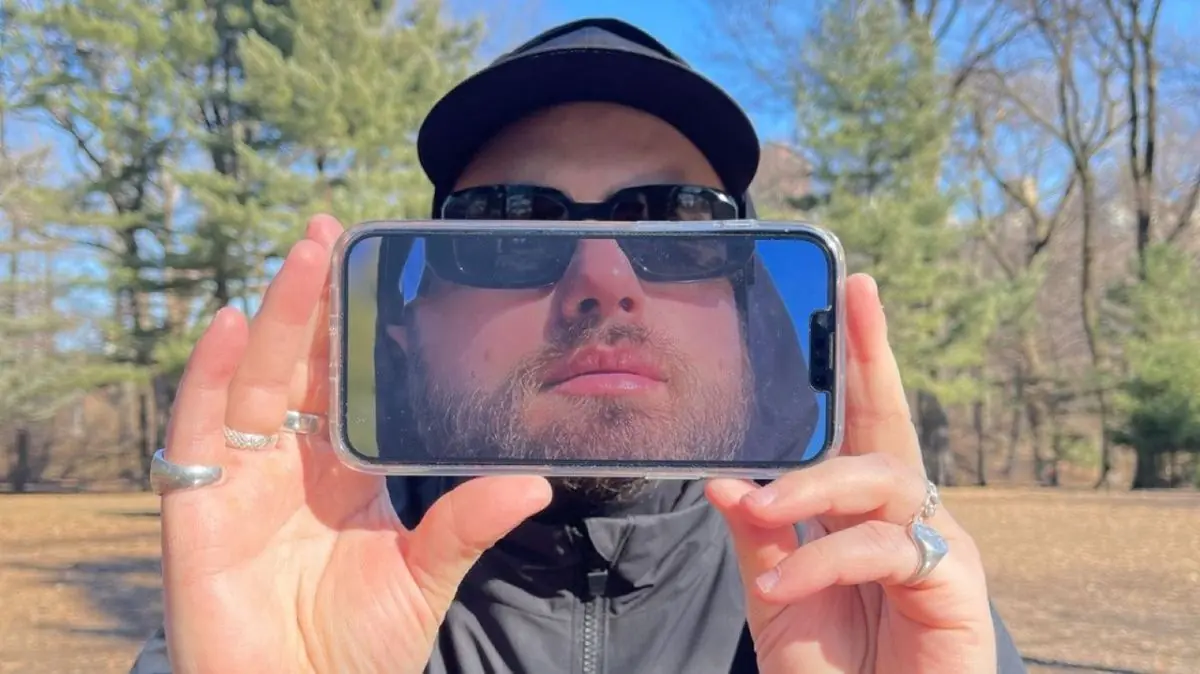
Many years ago, Jack Reynolds and I first connected through his personal artwork under the alias 'Ren'. Soon after, our professional paths crossed, and we spent years collaborating on adidas campaigns, flying between Europe and the USA, each of us usually holding an iced coffee in each hand to get us through early call times and long days. One of the last projects we worked on together took us to Houston for a day with basketball star Jalen Green.
A Group Creative Director, Jack has led at one of London's most influential creative studios, shaping global campaigns and cultural narratives with names like Kendall Jenner, Stormzy, ShyGirl, and Molly Mae. He's spent over a decade building a body of work that defines a generation of brand storytelling. Alongside that runs a parallel practice that's entirely his own: creating in solitude under the alias Ren, Jack is one of the most distinctive queer artists working today, using vivid, unmistakable illustration to explore masculinity, queer love, and body positivity in a visual language no one else is making.
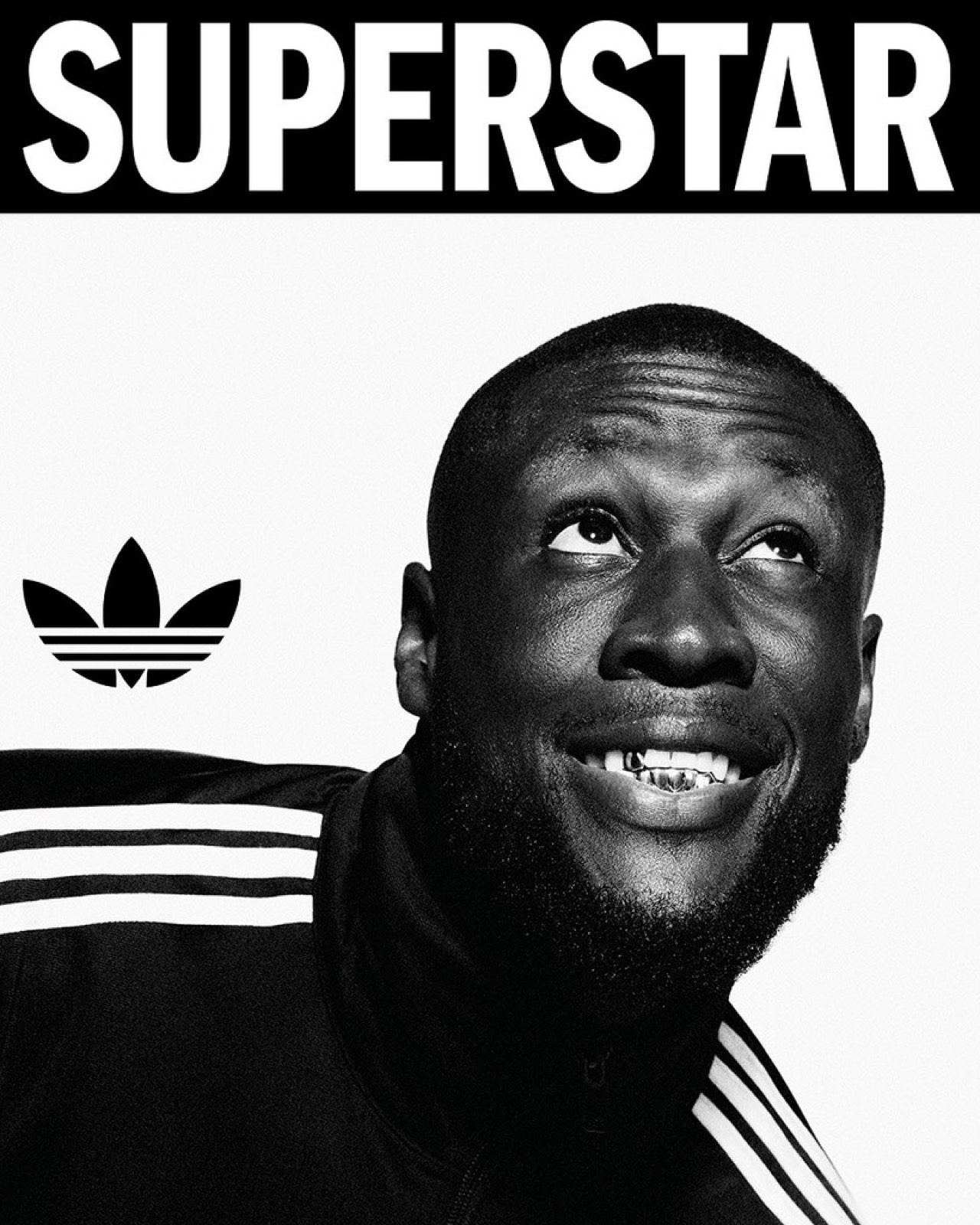
Stormzy for adidas Originals
Our relationship has evolved from colleagues to friends, and most recently into a neurocoaching relationship through Expansion Works®. In this conversation, Jack shares the realities of leading at the top of his industry, the discipline of building a personal practice in private, and his experience of working through neurocoaching.
To kick things off, could you introduce yourself and tell us a bit about who you are, both as Jack, the Group Creative Director, and 'Ren' the artist?
Hellooooo, as you've already mentioned, my name is Jack. I'm a Group Creative Director, and I was at the same studio for just over 11 years (nearly a third of my life).
When I joined the studio, everyone from the founder to the CD really championed me and my ideas, which is super rare, as I didn't really have much experience at the time. We managed to win some big projects and started working with people like A$AP Rocky, and all of that started a domino effect, and I've just been trying to be consistent and find opportunities to raise the bar ever since. I took over the team during the pandemic and have since established a way of working that looks beyond the obvious, provides opportunity, and celebrates creative thinking and the people behind it.
The other half of my creative life and output centres around making artworks, all of which tend to be social commentaries on topics linked to my own life experiences. I also do a fair bit of work within the music scene and have been a long-time collaborator with So Young magazine. I also do this under the alias of REN, which is a shortened version of my surname.
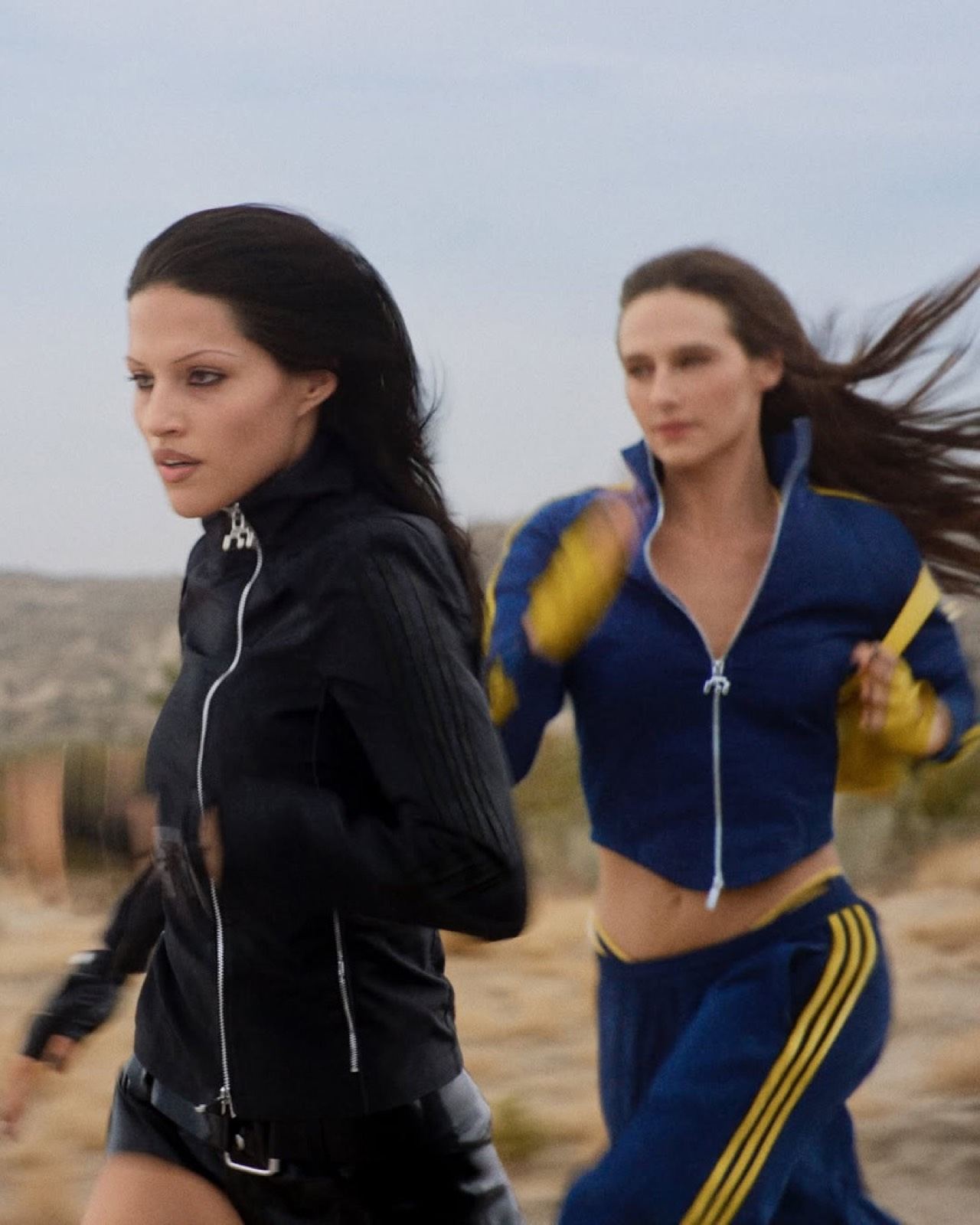
Gabbriette and Devon Carlson for adidas
Whether you are building a global campaign or drawing alone in your studio, what fundamentally drives your creative vision?
I love seeing an idea turn into something real, that the world can then engage with, respond to and maybe even be inspired by. The main difference being that my campaign work really is a group effort, and my role is there to shape what we're creating and ensure it's the best it can be. Whilst my personal work has more freedom to it, despite focusing on themes linked to the way I live my life, I try to frame them in ways that can appeal to anyone.
You've spearheaded major campaigns featuring massive cultural figures like Stormzy, ShyGirl, and Molly Mae. How do you approach crafting a narrative that stays true to a global brand's vision while authentically capturing the energy of such distinct personalities?
Good question! I think at the core of it all, I'm intrigued by people, and I like listening to what they have to say. There's a lot of ego in this industry, and people try to imprint their stamp on things. My approach is to pay attention to all of the varying factors and understand what everyone is looking to get out of the opportunity. For example, the brand needs to achieve X, the talent wants to focus on Y, and we're looking to create Z.
It's then really seeing the gaps between the variables and creating something new and exciting. Editing and removing anything that isn't important or creates confusion, so we can shape the story most relevant to the core audience.
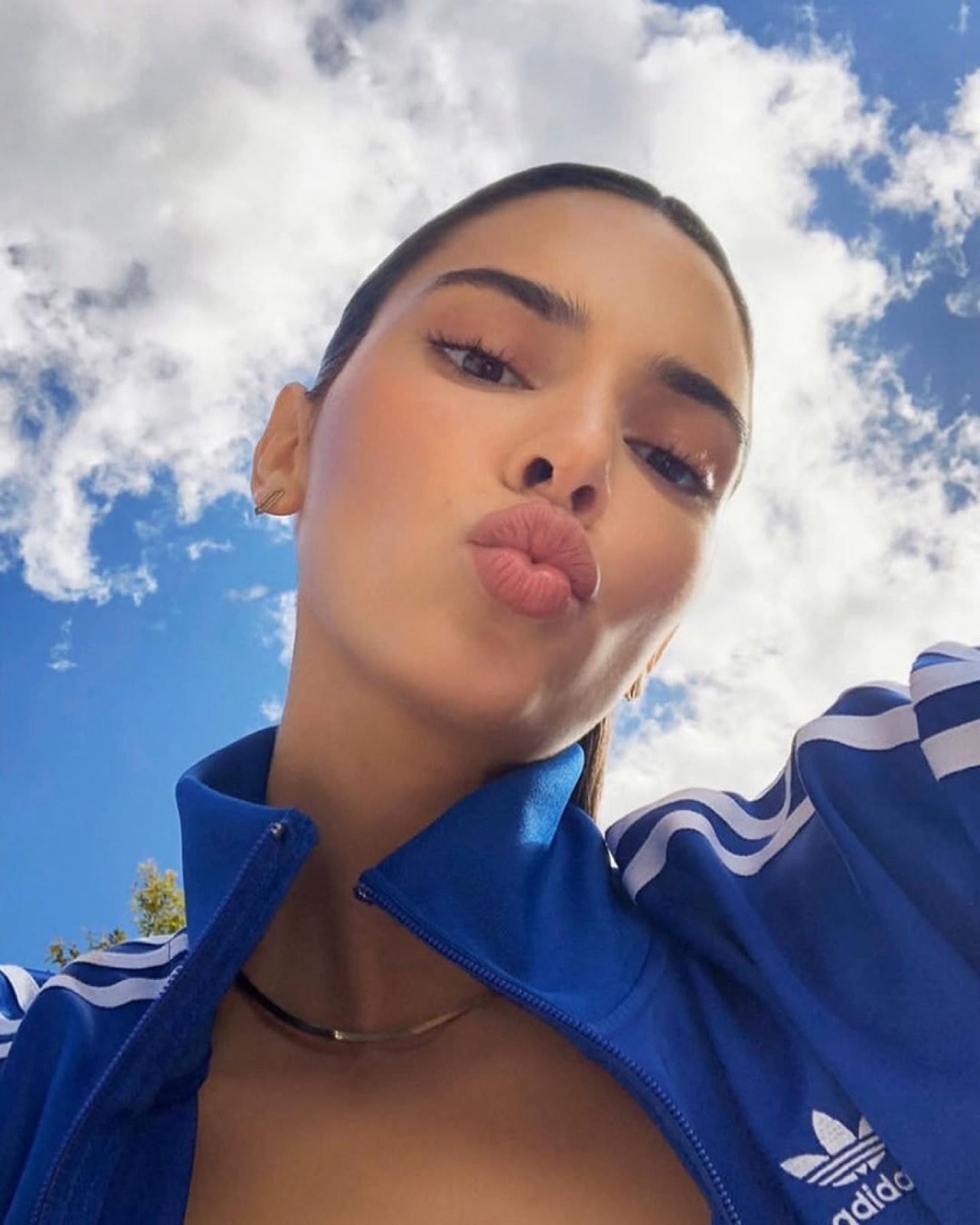
Kendall Jenner for adidas Originals
As your work as Ren, you've mentioned that your personal illustration allows for "complete isolation," contrasting heavily with agency life. Do these two distinct modes of creating ever bleed into one another, or do you keep a strict boundary between Jack the CD and Ren the artist?
In general, there are very different ways of working; my agency life is spent speaking with people and presenting to clients, etc. But when I'm drawing or painting, I'm only ever speaking to myself.
Having worked closely with you for years, I've personally never seen your creative flow falter and you are constantly coming up with new ideas. What does being in that "flow state" actually feel like for you, and how do you maintain that output under immense agency pressure, or when you're exhausted and working on your own time?
I've been fortunate to find a career that I truly enjoy. I'm always thinking about one idea or another and I don't ever really stop, slow down or switch off. Which to some might seem intense or unappealing, but maybe that's the key?
You've spoken about coming out at 23 and how people subsequently began to question your masculinity. How did those experiences and the absurdity of rigid gender expectations fuel the concept behind your personal work?
To be honest I came out at the ripe old age of 23, because I grew up not wanting to be gay. Growing up in the 90's and 2000's everything gay tended to be linked with a negative connotation. Even the word itself was an adjective for negativity.
Once I accepted myself, (I was fortunate to have the support of my family and friends), I then worked on removing all of the stigma and false narratives around queerness, masculinity and body image from my life. Making artworks that celebrated the things I love and my own beliefs (not things I was led to believe), was a key part in moving past that.
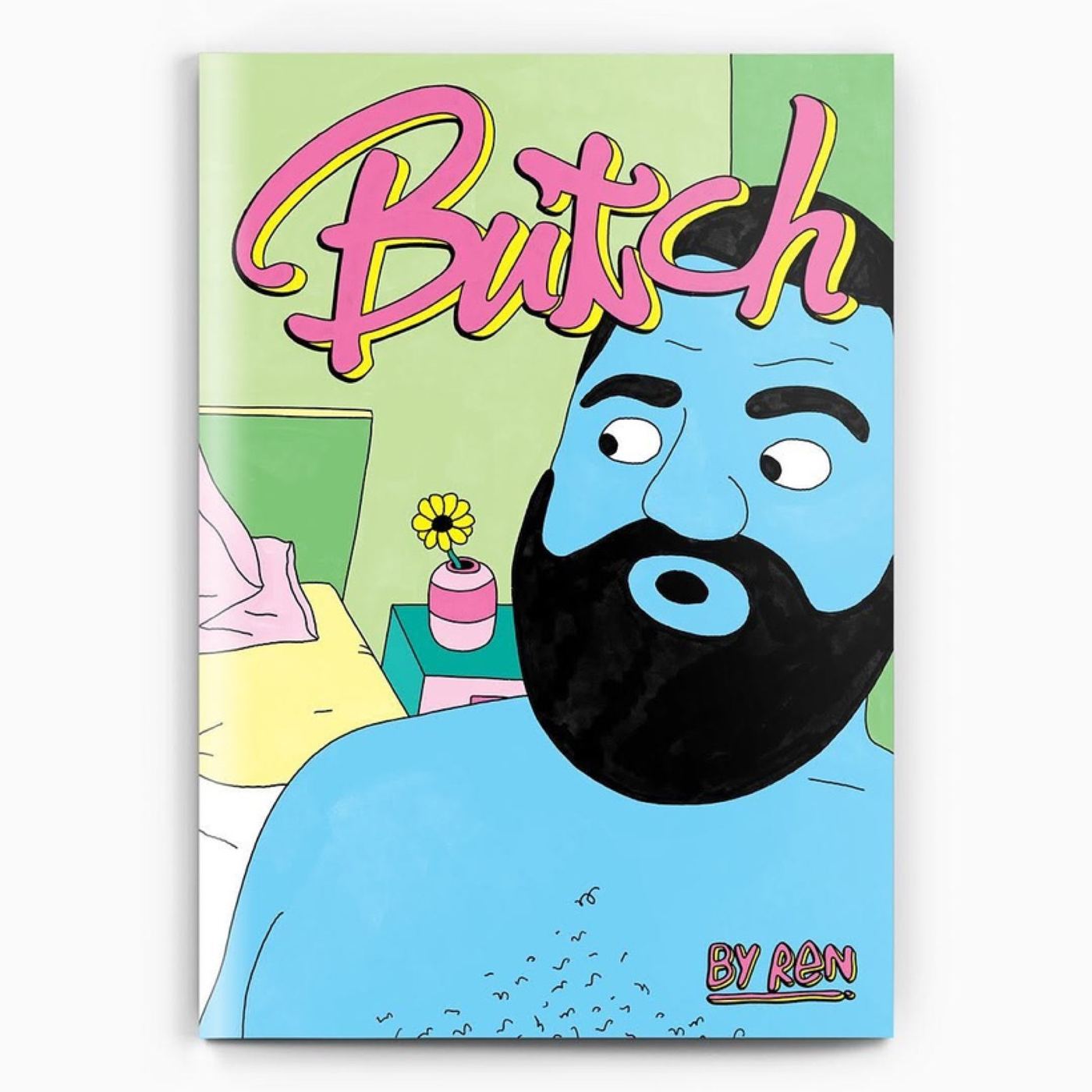
As Ren, you frequently explore themes of queer love, lust, body positivity, and unconventional relationships. Why is it important for you to translate these deeply personal community conversations into an accessible visual format?
I think it's an attempt to "normalise" these topics. The world is a judgy place, the more exposure there is to different ways of living beyond a heteronormative experience, the sooner people can hopefully move past and accept it. My own existence is such a bubble of acceptance which I'm fortunate to experience. But most of the world isn't like that, and it's important to me that everyone has the opportunity to live authentically, which is why I present these themes in my work.
Your aesthetic is distinct, direct, and unapologetic. You've mentioned "embracing imperfections and covering up colour blindness with overly vibrant colour combinations." How did you land on this signature visual language to communicate such nuanced social issues?
My colour choices and palette application is mainly so I can enjoy looking at the work I make. Being colour blind is all about the context in which colours are seen, I try to pair combinations that enable me to see and enjoy them to the fullest. In regards to embracing imperfections, I like to see the mark of the maker in the work, to me it becomes a bit more interesting and adds another layer to the visual.
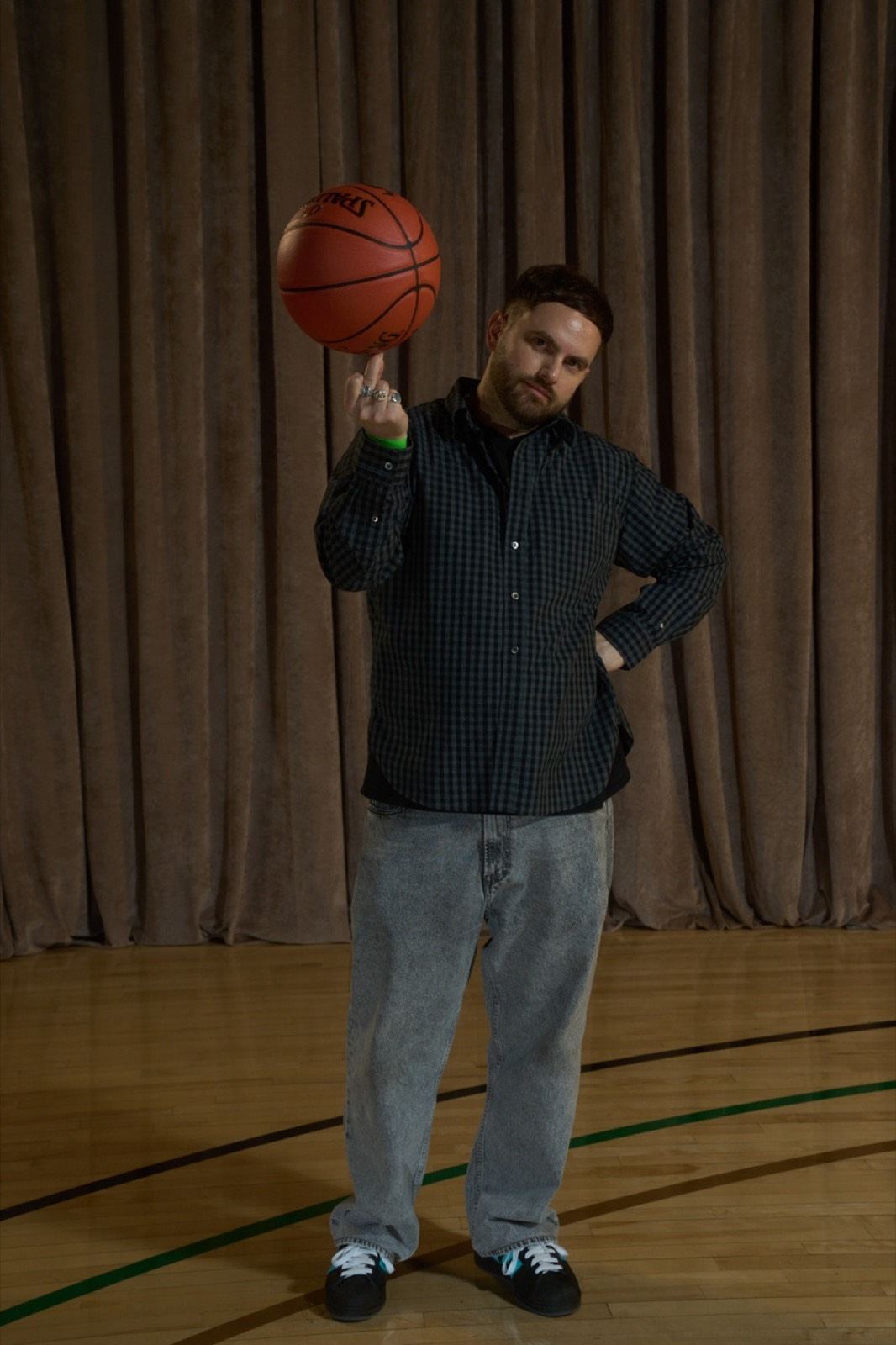
Jack Reynolds, Group Creative Director & Artist
Taking a slight pivot into our work together off-set, and stepping into the world of Expansion Works®, how was your experience working with me 1-1 as a neurocoach, and what shifts have you noticed since?
I came into it not really knowing anything about neurocoaching and I was quite skeptical about its potential impact, or if it would work to be honest. That being said I'm a big believer that you can power and shape your world with your thoughts and thinking of ways to achieve anything, I just didn't know how you would tap into that and help clear the path, which is why I was curious to work with James. I've really enjoyed our sessions. Your coaching has helped me visualise my situation from a different perspective and move past some of the hurdles that were in the way. Since then, the mental resistance I was facing is clear, I feel much more aligned, calm and empowered to move forward.
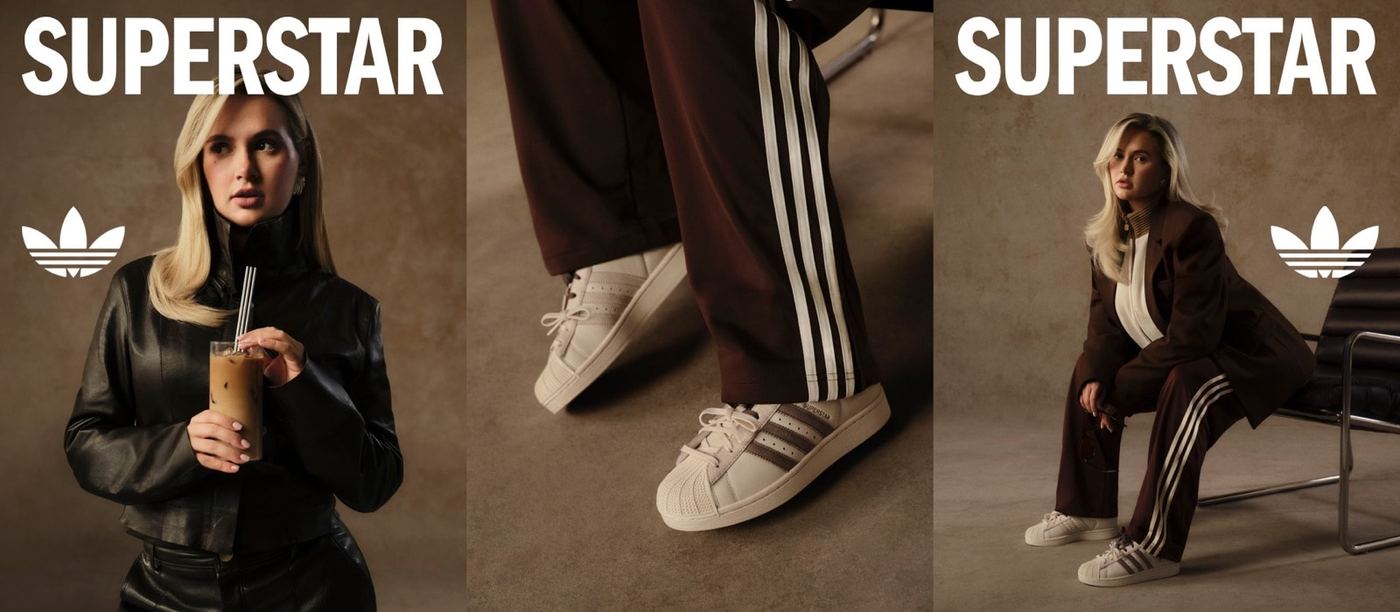
Molly Mae for adidas Originals
For other creatives or executives who might be feeling stuck or curious about this kind of work, whether they are completely new to personal development or have done loads of it in the past, what advice would you give them?
Try and immerse yourself into the process and see where it goes. Despite my skepticism I still had an open mind to it and it's been really helpful to me personally. Also James is such a caring and attentive listener, you really picked up on the key points we discussed and centred the session around them. I think this level of specificity was key in identifying what I needed to look beyond and move past.
And finally, what advice would you give to young creatives who are trying to navigate the balance between sustaining a demanding commercial career and protecting their own deeply personal, identity-driven art?
I'm lucky to really enjoy what I'm doing and it's rare that things feel like a chore. There will always be curve balls and the only constant is that nothing is set in stone. The minute you realise that there's a lot of freedom and power in it. You can also use that to your advantage, seeing new opportunities in whatever comes your way.